The Long Way to PlayKovo: How a Construct 2 Hobbyist Ended Up Building a Game Portal
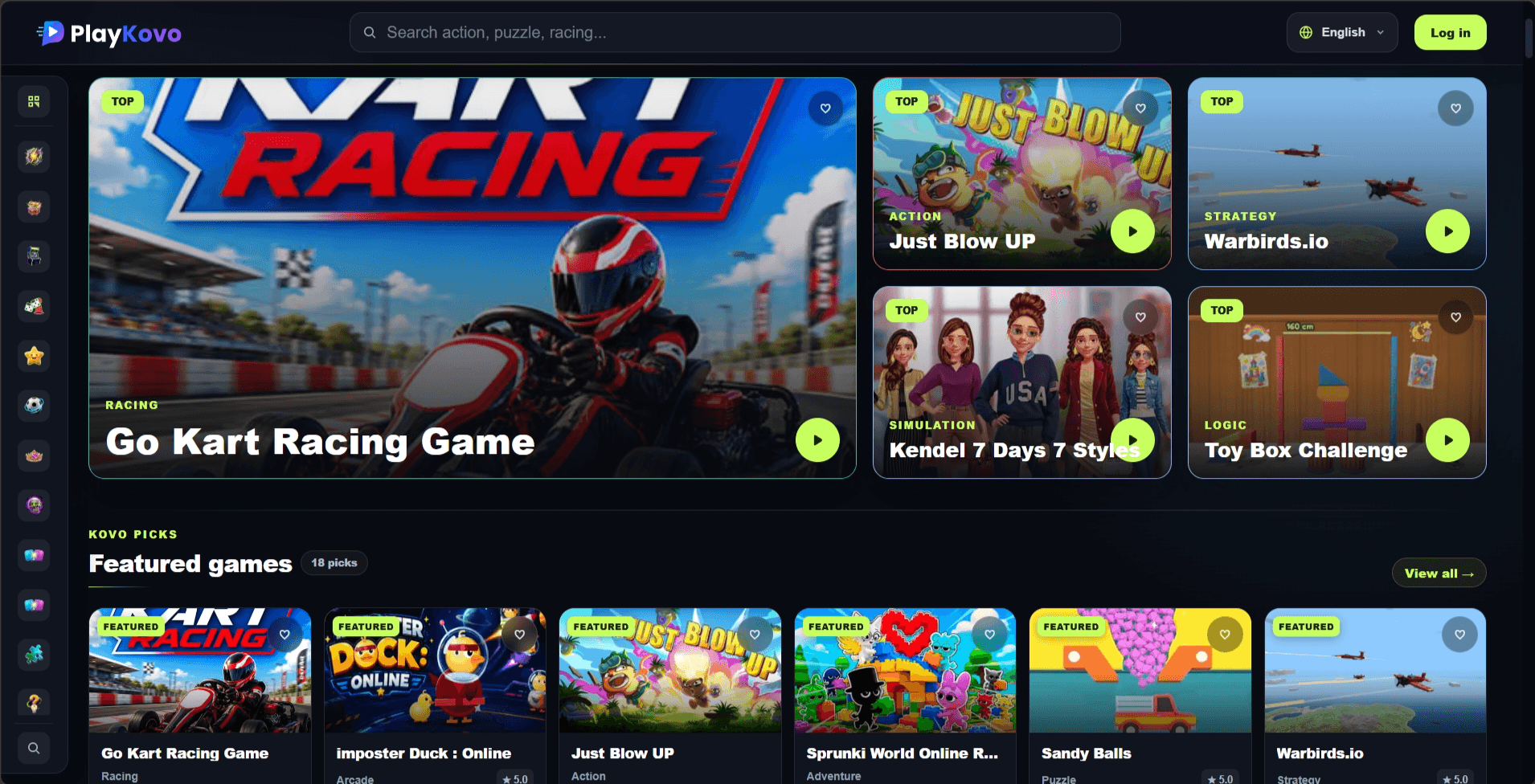
Ask most people how a game portal with hundreds of games gets built and they'll picture a studio, a roadmap, maybe some funding. The real story of PlayKovo is a lot slower, and a lot more roundabout.
It starts in 2018, with Kağan Badurlu making small games in Construct 2. It was where the game-making began, but to go beyond its limits, real coding was the next step, and that meant moving to the Unity game engine.
Unity took over for about four years. The first game to actually get published was Black Ball, a 2D platformer, and after it came more experiments, including an FPS project and a car parking game. Four years of Unity meant a steady stream of small projects and a lot of practice.
Somewhere in those years, an interest in mobile apps grew. That led to Flutter, and a run of practical apps: a restaurant app called AÇ KALMA, in the spirit of Too Good To Go, along with a handful of budget, spending-tracker, and fitness apps.
And through all of it, there was one idea that never went away: an HTML5 game portal. A place where players could click a game and start playing, and where developers could publish their own games.
The problem was that Flutter wasn't the right tool for that. Browser games and a portal need the web itself, so the founder started learning Next.js, and that's the moment PlayKovo stopped being a daydream and started being a project.
Today it's live, it's home to 491+ free browser games across 30+ categories, and it's begun pulling in 3,000+ visits a month. The team is still small: the founder plus two part-time developers helping build and maintain it. There's an open developer panel for anyone who wants to publish a game, with self-serve uploads, per-game analytics, and API keys for SDK integration.
The library now includes everything from ambitious titles like Warbirds.io to in-house games like Lumira, all running in the browser with no download and no account required.
FAQ
Who founded PlayKovo?
Kağan Badurlu, who started making games in 2018 and built PlayKovo after years of working in Construct 2, Unity, and Flutter.
What did the founder make before PlayKovo?
Unity games including Black Ball (a 2D platformer), an FPS game, and a car parking game, followed by Flutter apps like AÇ KALMA and several budget, spending, and fitness apps.
Why was PlayKovo built with Next.js?
The goal was always an HTML5 game portal, and Flutter wasn't a good fit for that, so the founder learned Next.js.
How big is the PlayKovo team?
Small: the founder and two part-time developers.
How many games are on PlayKovo?
491+ free browser games across 30+ categories.
Can outside developers publish on PlayKovo?
Yes, through the open developer panel.
Final Thoughts
PlayKovo is what a long detour looks like in hindsight: Construct 2, Unity, Flutter, and finally the project that had been the goal all along. If you want to see where it ended up, start playing, or submit your own game.
Featured app
PlayKovo
Related Posts
Where to Find Game Assets for a Browser Game: Free, Paid and Licensed Right
Where can you find game assets for a browser game? A short, license-first guide to public-domain packs, community archives and a single-style paid and free library, with what each site says about its own terms.
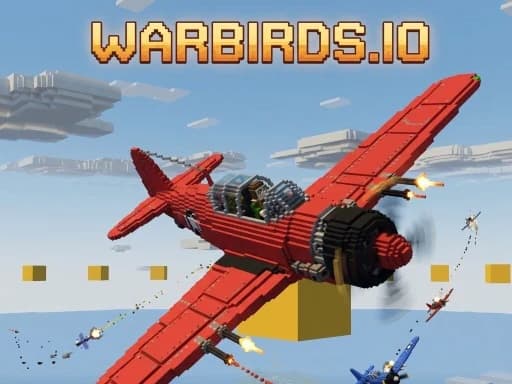
Warbirds.io Beginner's Guide: Your First Sortie, Controls and Tips
A practical starter guide to Warbirds.io, the free browser dogfighter: how the first sortie works, the controls worth learning first, and how a round of Crimson versus Cobalt is won.
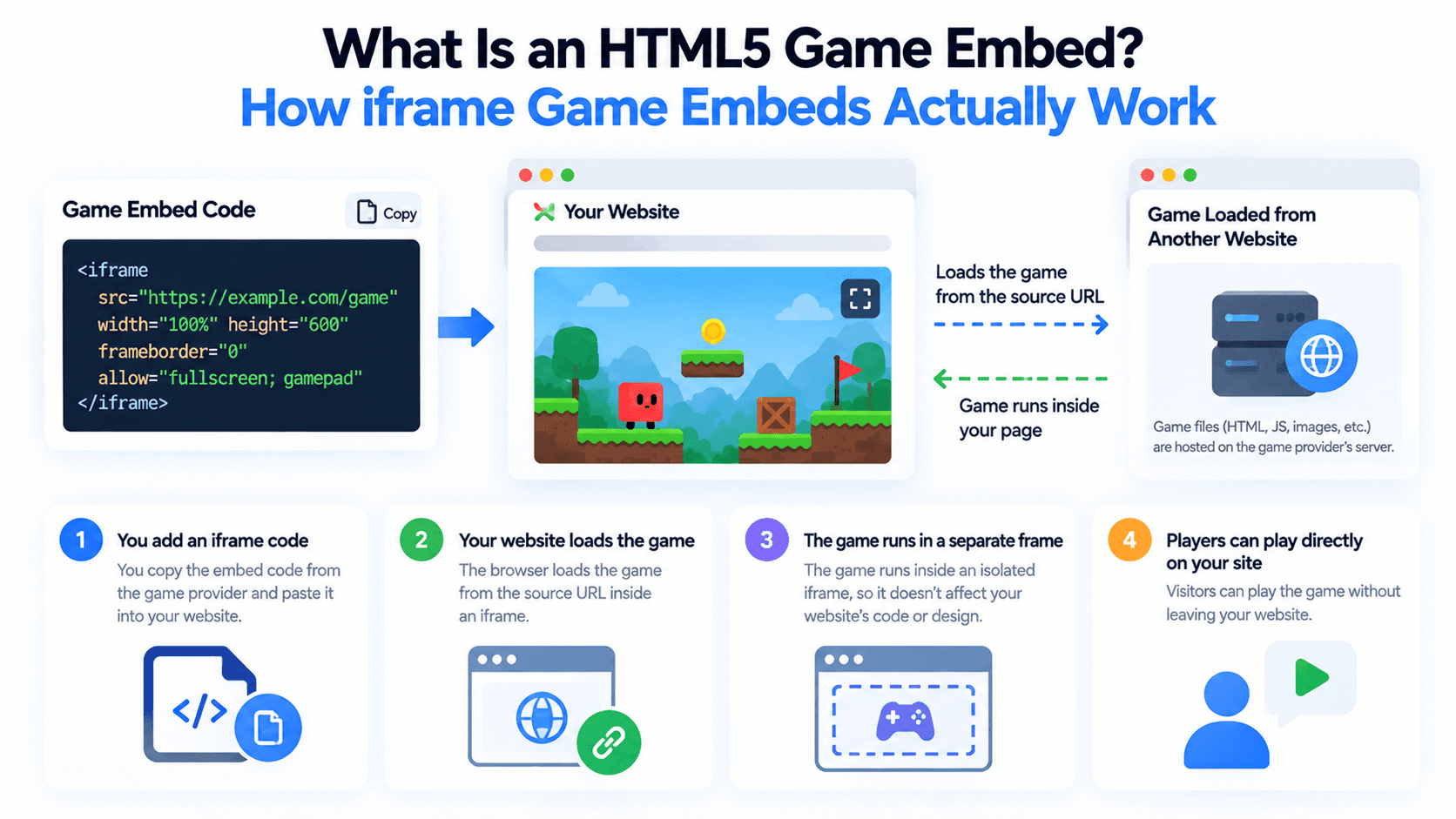
What Is an HTML5 Game Embed? How iframe Game Embeds Actually Work
Adding a free game to your site usually means embedding an iframe pointed at someone else's server. Here's what's actually happening under the hood, and what the src, allow, and sandbox attributes control.